
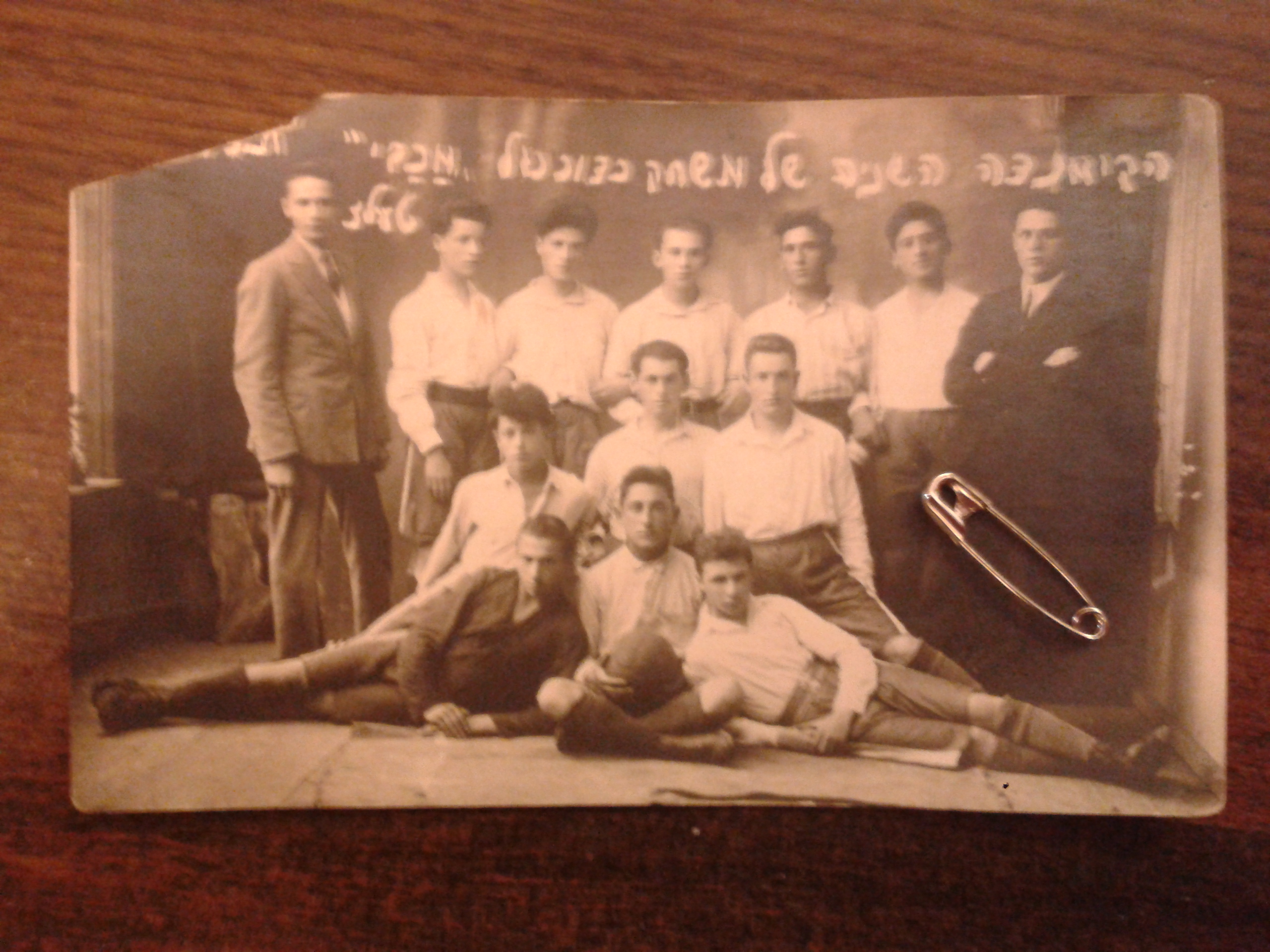
I've read all sides of the pro/con/whatever views on the idea of people wearing a safety pin as a statement about what's happening in America.
I agree with some points made by different sides.
Yes, this is not enough.
It's not a way to lessen any feelings of guilt.
But, after thinking long and hard about it I have decided to put one on.
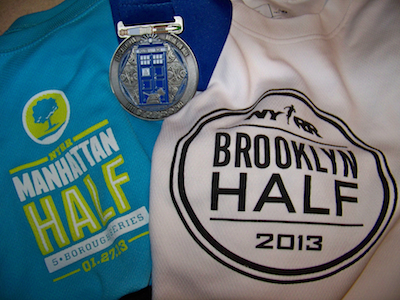 This one was fun and easy. The Manhattan Half in January was the coldest race I've ever run. By the time we were done, the cups of water at the aid stations had turned into solid ice. Luckily Gatorade has so much sugar that it does not freeze as fast -- energy drink slushies, yum!
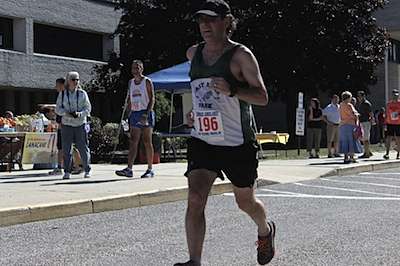 I love the races that the NYRR puts on, but as an organization they leave so much be desired. They have the worst communications staff and so little respect for the membership, I wanted to spend some time this year running non-nyrr races in order to keep from giving NYRR too much of my money and implied support.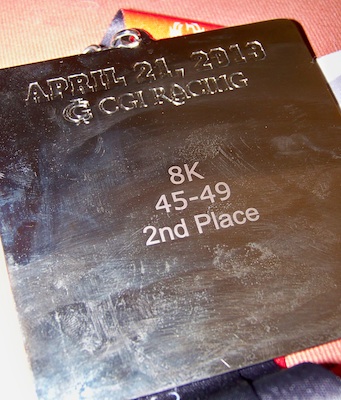
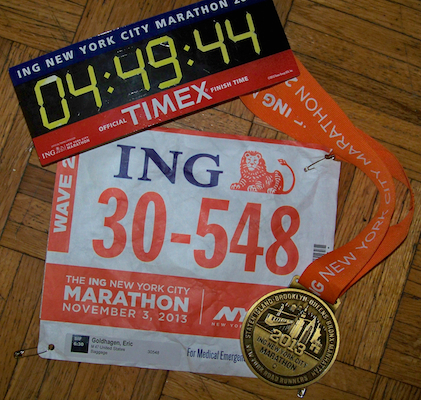 finish the New York City Marathon in under 5.5 hours.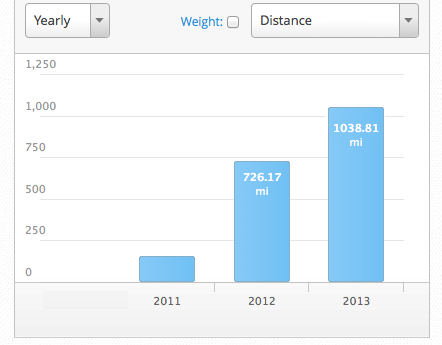
 It's the second annual event put on by Let's Go Haiti and possibly the first full length marathon ever in Haiti. There have been hundreds of races run to raise money for causes in Haiti -- this is among the first of those to also be run in Haiti.

Recent comments
13 years 17 weeks ago
14 years 13 weeks ago
14 years 14 weeks ago
14 years 14 weeks ago
14 years 23 weeks ago
14 years 23 weeks ago
14 years 23 weeks ago
14 years 23 weeks ago
14 years 23 weeks ago
14 years 35 weeks ago